
Women Painters in Europe
When Precarity Dictates Art
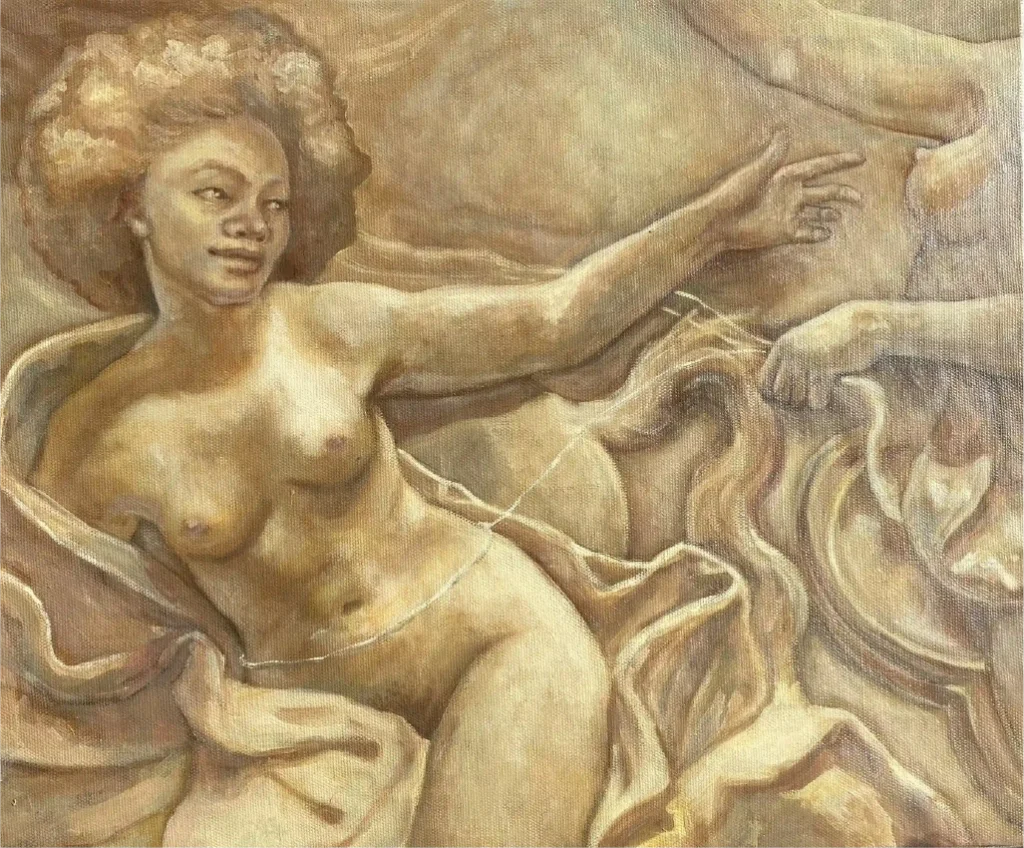
Create, exhibit, sell… and what if we added ‘struggle’ to the list of essentials for European women artists?
While art history has long rendered women painters invisible, the current economic reality continues to hinder their full recognition in Europe. Precarity disproportionately affects women artists, particularly Black women, limiting their access to opportunities, funding, and networks that shape a career.This financial instability not only slows their progress, but it also influences their artistic output, sometimes forcing them to adapt their practice to material realities or to sacrifice creative ambitions for economic viability.
As a woman, a Black woman, and a painter, I face these challenges directly, as do many other artists. Economic fragility in the art world is not new, but it hits women even harder, especially those from racial minorities. In England, it wasn’t until 2017 that a Black woman painter, Lubaina Hamid, was awarded the Turner Prize…This economic vulnerability is often linked to multiple factors, from wage inequalities to structural discrimination, and it has profound consequences on the creative process. Understanding how economic precarity shapes women’s art is crucial, as is reflecting on strategies to combat these discriminations.
Economic Dependence: A Structural Obstacle for Women Artists
The inequalities faced by women artists go beyond gender. They often intersect with other forms of discrimination, such as racism or social class. This is what American legal scholar Kimberlé Crenshaw conceptualized as intersectionality: an approach that analyzes how multiple oppressions overlap and reinforce each other.Belgian curator and committed gallery owner Wetsi Mpoma testifies: "When you’re just trying to figure out how you’ll eat until the end of the month, you’re not creating. You have other things to deal with. You must respond to the economic urgency."For Black artists, the need to juggle overwhelming financial pressures often takes precedence over creative freedom. Wetsi notes that this instability forces artists to produce more commercial works, sometimes far from their deepest aspirations: "There are artists who dream at night of their engaged paintings, but produce clichéd works just to please their collectors."This dilemma between authentic expression and economic necessity is a reality for many artists, who find themselves compelled to conform their work to market expectations. It’s not only about economic survival—it is a direct result of systemic inequalities in the artistic ecosystem.
In Europe, women face additional obstacles in accessing exhibitions, funding, and networks necessary to make their work known. In France, according to the Government Report to Parliament on the visual arts sector in 2016, “over the past 35 years, women artists accounted for 22% of public acquisitions”, a notable improvement, yet still far from equality that would allow women artists to sustain their practice.Moreover, France lags behind neighboring countries like the UK, which have made efforts to reduce these inequalities, including organizing several retrospectives of British Black artists, such as those presented at Tate Britain.
Financial Insecurity that Hinders Creative Investment
The impact of this financial precarity is profound. It forces many artists to juggle multiple part-time jobs to meet their needs, at the expense of their artistic practice. Hiembi, a young Afro-feminist painter in Paris, shares that she currently babysits a child in addition to offering painting workshops : "I am precarious, but I’m lucky to still live with my mother, which saves me rent. Otherwise, it would be very difficult," she explains.This dual life, between paid work and artistic practice, is a reality shared by many women in the art sector, who are compelled to sacrifice creative time to secure their livelihood.
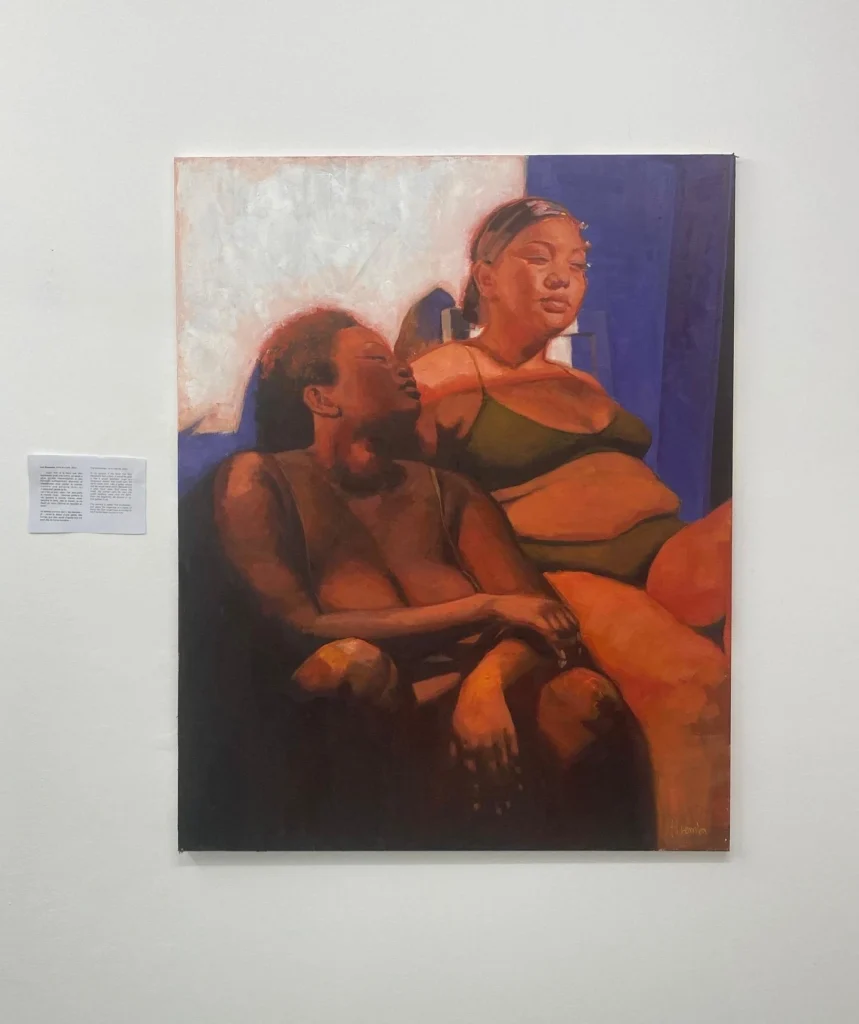
Historically, European artists could rely on wealthy nobles and bourgeois patrons, who funded their work and allowed them to focus entirely on creation: "Patrons, what do they do? They give artists the opportunity to work for a year without worrying about material conditions, because that’s what fosters creativity" explains Wetsi Mpoma.Without such financial support, many artists struggle to free up the time necessary to fully dedicate themselves to their art. While some may benefit from grants or artist residencies, these opportunities are rare, especially in a context where public and private funding is increasingly limited.Budget cuts in Europe’s cultural sector, such as the €50 million reduction imposed in France in 2025, further complicate the situation.
Additionally, the precarious status of freelance artists prevents them from receiving unemployment benefits when work is scarce, exacerbating the vulnerability of those who depend on art for a living.This lack of social security only worsens existing economic difficulties, and the combination of these factors severely hinders artists—especially women—from focusing on their creative production.
Survival Strategies or Market Adaptation?
In this challenging context, some women artists are forced to adopt survival strategies, including using their image to attract attention and sell their work. On platforms like Instagram, some artists adopt postures or aesthetics that sexualize their image—not by artistic choice, but by economic necessity.Wetsi Mpoma, who observes this trend, explains: "On Instagram, I see young artists sexualizing themselves to gain visibility and sell. They use their bodies as a marketing tool, not by artistic choice, but out of necessity."This phenomenon reveals the omnipresent male gaze in the art industry, where women often must conform to aesthetic expectations related to the sexualization of their bodies to be seen and recognized.
Hiembi also observes, without judgment, that some artists are forced to adapt to the prevailing patriarchy. She sees these practices as strategies for those navigating a world where their art is never fully recognized as legitimate.This highlights the tension between creative freedom and the social and economic expectations that weigh on women artists.
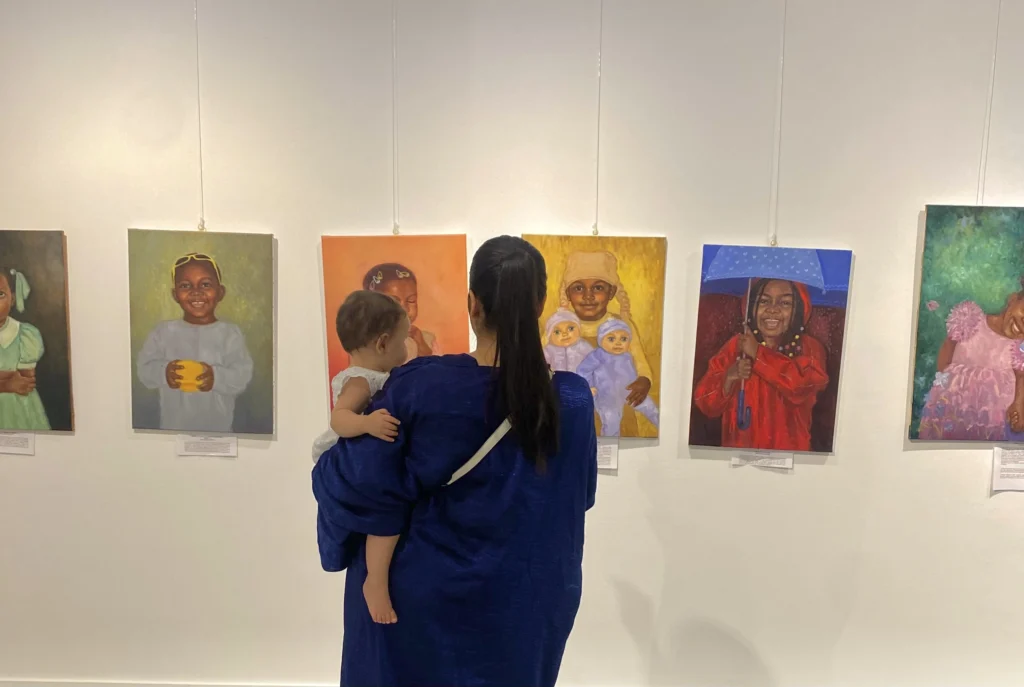
Resisting Pressure: Alternatives and Feminist Solidarity
Despite these challenges, many women artists refuse to bow to market dictates. Wetsi Mpoma, for example, has chosen to no longer work with artists who seek to please everyone. She prioritizes those with a strong artistic vision, ready to commit long-term.This stance reflects a radical commitment to bypass the oppressive structures of the art market and create sustainable alternatives.
One such alternative lies in solidarity among artists, particularly women. Hiembi shares collaborations with other women, often in contexts where they gave her a chance.Women in strategic positions in the cultural sector actively try to reduce gender inequalities and promote women artists by offering them deserved opportunities.
Furthermore, faced with precarity, Hiembi and others consider diversifying to generate additional income, developing workshops and targeting wealthier clients, such as companies. These strategies help reconcile economic viability and artistic fulfillment, while paving the way for broader recognition of their work.
A Long Road Ahead…
Ultimately, women artists must work twice as hard to make their voices heard in an art world still dominated by patriarchal structures and inequalities of class and race. These women face an unforgiving economic reality that affects their creative process and their ability to establish themselves in the art scene.Yet, collective strategies and solidarity alternatives, championed by committed women through initiatives like “Le Cercle de l’Art” or the “Biennale of Women in Art”, offer ways to resist economic instability and fundamentally transform a field still too often unfavorable to women.
The fight for equality in the art world is a daily battle, but it is more necessary than ever to support these artists, who, through their resilience and commitment, help redefine the history of art in Europe.